

plum 8
copenhagen, dk, re: the show, frequent questions about ideas, small objects to carry with you
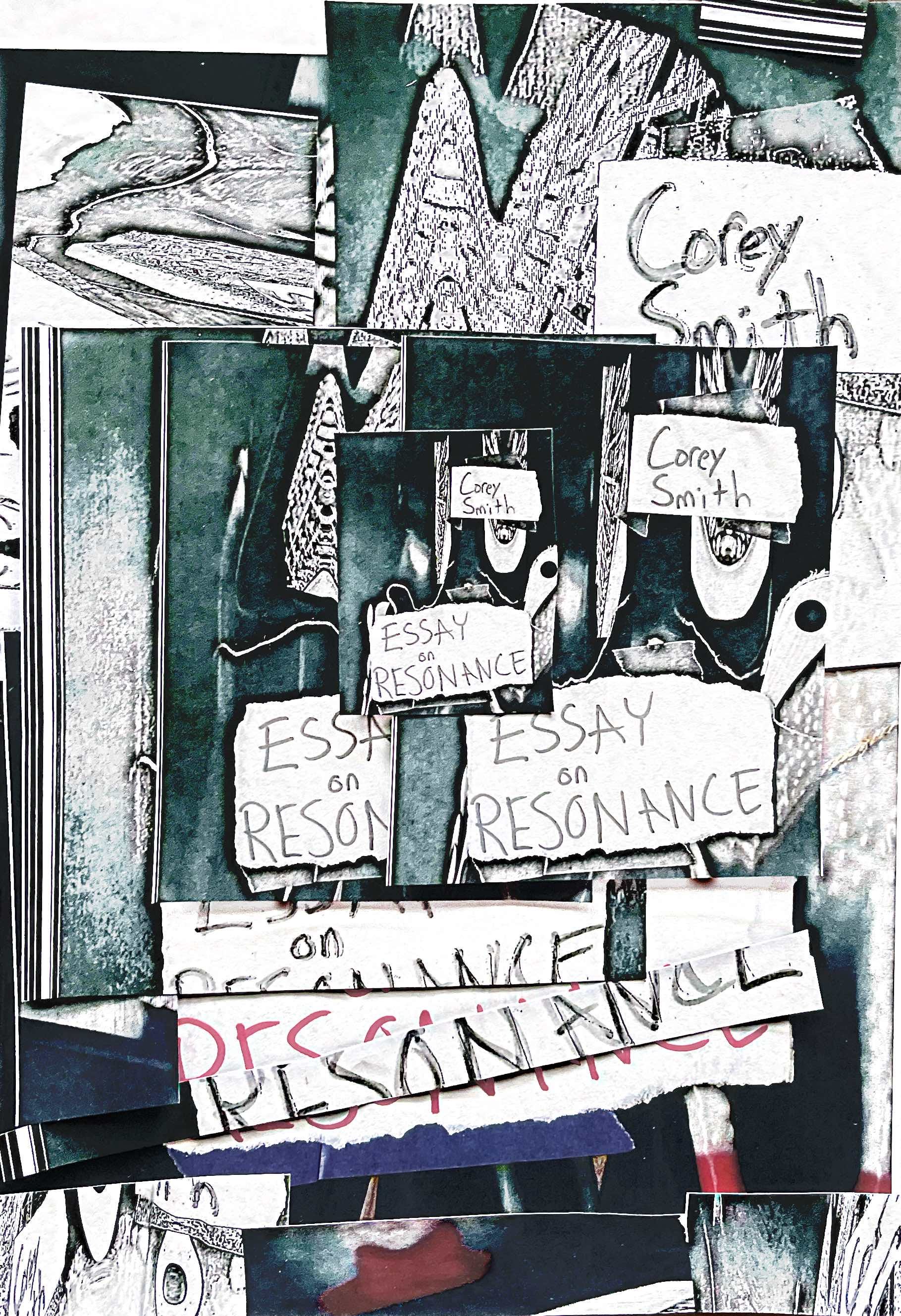
Hot off the Finnish residency presses! I’ve got a new piece! I’m touring it around Europe! It’s called “ESSAY ON RESONANCE.”
Here’s the FAQ:
Q: WHAT IS “ESSAY ON RESONANCE?”
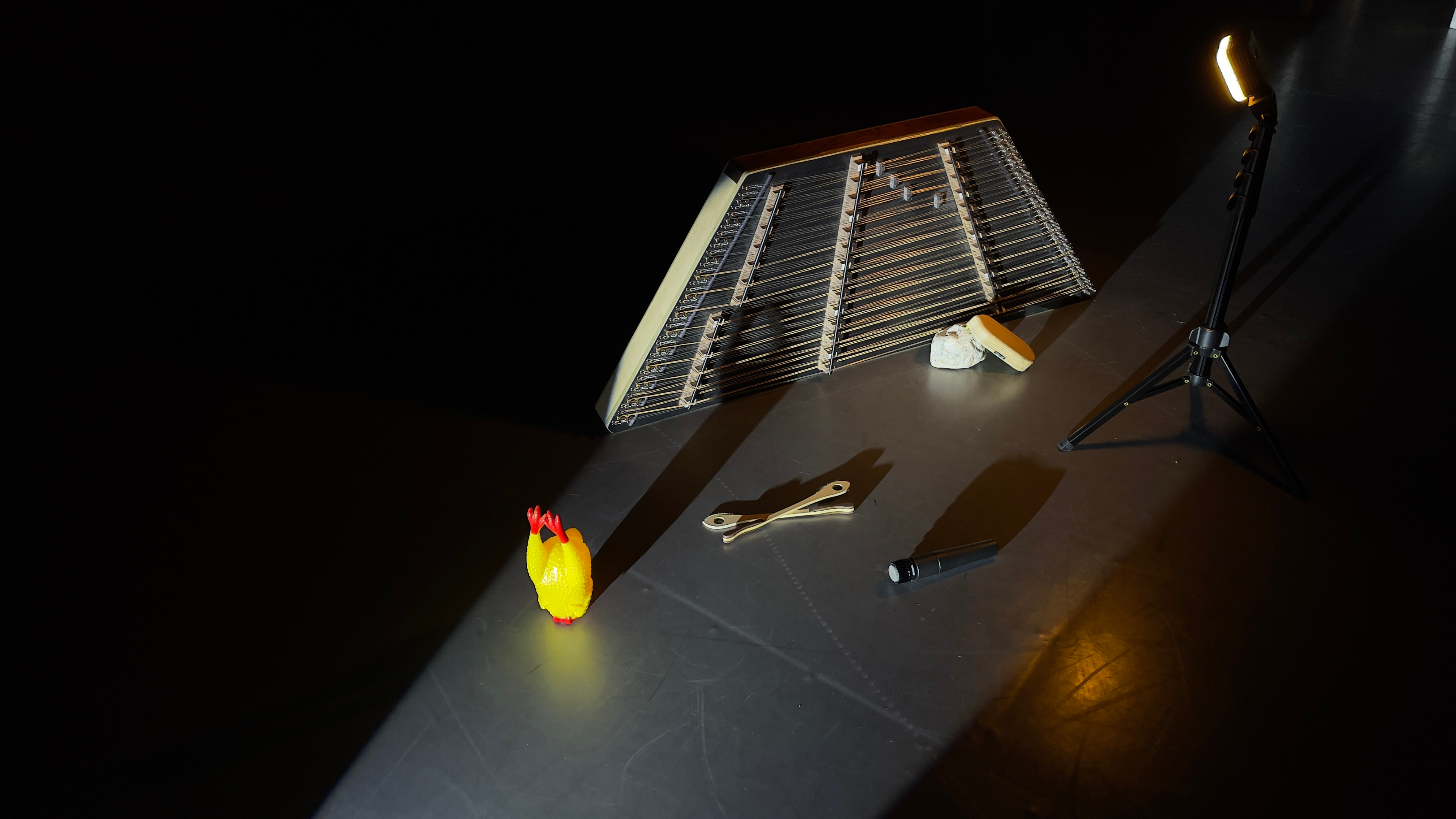
A: It’s a performance piece for me, a hammered dulcimer, a moving spotlight, a projector, a webcam, a roll of receipt paper, a rubber chicken, and a rock with some twine around it.
Q: IN WHAT WAY IS IT AN “ESSAY?”
A: Everybody with an MFA groans when you say it, but it’s still true, the origin of the word “essay” is French and it means “an attempt.” It doesn’t promise meaning, only a try at it.
And attempting permits me to do a couple of different things that I love to do:
1) Put unalike things next to each other
2) Talk to an audience in the voice of an instructor
3) Fill a container with what is at hand
Q: IN WHAT WAY DOES IT “ESSAY?”
You know this because you went to high school — the essay is a container for a thesis. The piece essays at a thesis.
The performative essay, by nature of it being performance, contains a thesis that is unspeakable and unwritable and generally not something that you can sum up unless you use your body. It’s beyond language. It’s instead performative-relative, made in the room by the audience and me working together (essaying) to find meaning.
Okay, sure, it’s very convenient-pretentious to say “it’s beyond language, you just have to BE there to get it.” I think that lets me off the hook a little too easily.
I don’t believe that it’s beyond language entirely, I think I can give you a little portrait of what the piece is about & then you can see it IRL and get a more complicated picture and tell me I’m wrong. Let’s get into it.
Q: IN WHAT WAY IS IT “RESONANT?”
A: Many threads attempted here. Here are a few:
The physical phenomenon of “resonance.”
This is the title, so it’s worth doing a “Merriam-Webster defines resonance as....”
Corey defines resonance as a relationship between two things. Or: energy that is released when two things are the same. Or: when there is “sameness” between an object with a particular characteristic (say, the mass of a child on a swingset) and an outside rhythmic force that matches that characteristic (say, a push). Or: an opera singer and the wineglass. Or: a radio transmitter picking one frequency out of all the others to tune into.
Ultrasonic Frequency
Here’s a recording I took from Montrose Bird Sanctuary back in the fall:
There is a delightful little hidden thing in there, there are BATS. You can’t hear them, they are echolocating using ultrasonic frequencies. Here is a slowed-down version so you can hear it:
The “ultrasonic” is an area of the frequency spectrum where things are too high for any human to hear. The idea that things are happening entirely outside of my sensory understanding makes me feel genuine mind bending awe.
The Hammered Dulcimer
This wonderful instrument is troublesome, specifically because of its resonance. No dampers on this thing, so any sound you make lasts as long as it does, which means the *way you play* has to change. You have to take care of notes for a longer period of time, because once you hit the F#, that F# is there for the next few seconds.
You could bring out a dissonance by hitting a nearby F natural, or you can be more gentle, hold off until the first note has died away a bit. The instrument asks for a bit more harmonic ambiguity. Is it D minor or major? Wait and see.
AND ANOTHER THING. You gotta be attentive to the low notes, because their long decay can totally ruin a convincing harmonic resolution. A low note will just haunt the next ten seconds, so you gotta have a musical plan to make that make sense.
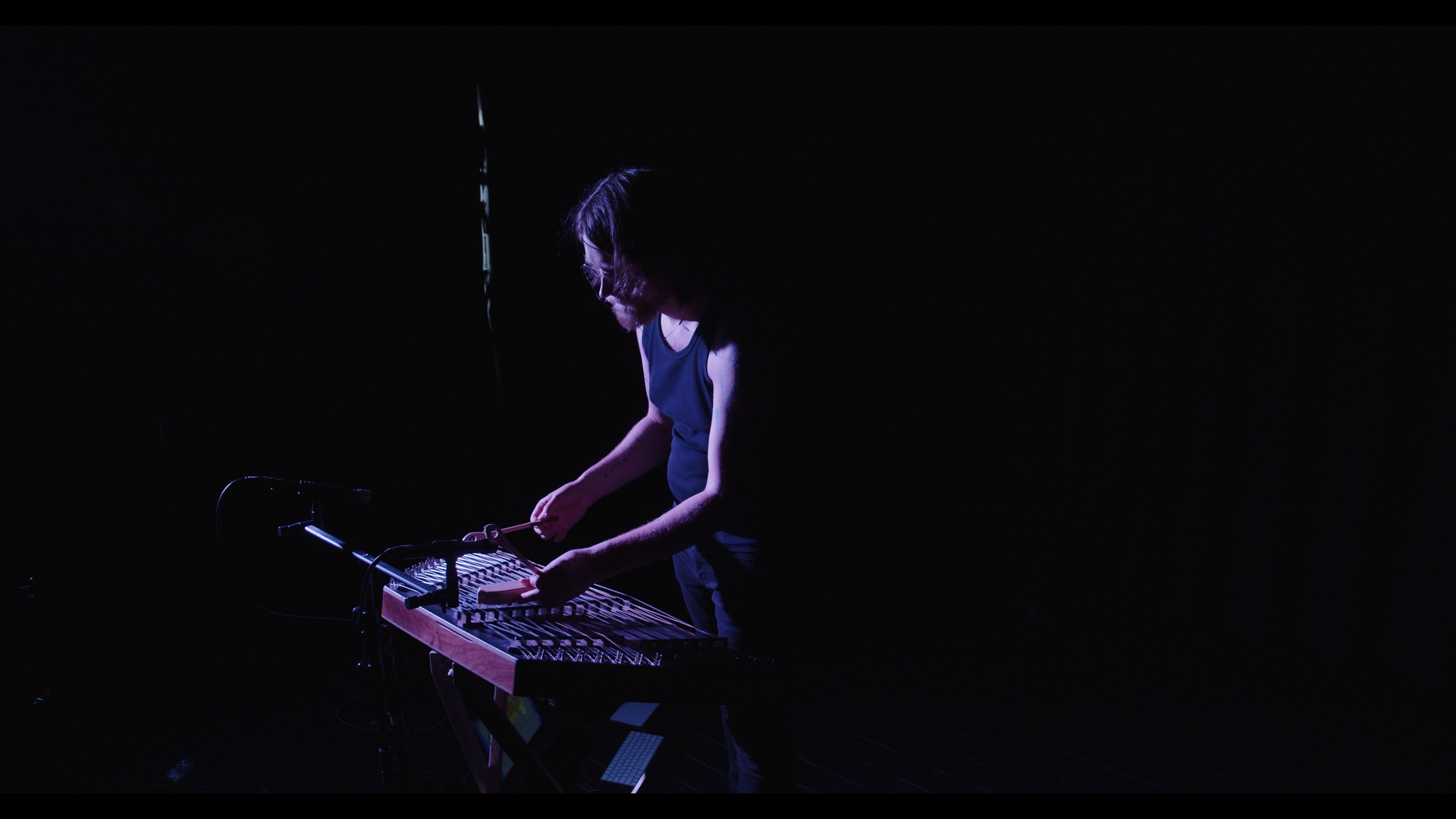
The Hammered Dulcimer demands a more stretchy, gooey relationship to time. I suspect that this is a cooler, more ethical, more honest way to live, in gooier time. This is part of the thesis of the essay, but I can’t articulate anything clearer than that.
Time
Oh yes, time.
Recording Technologies
It’s so easy to think of sound recording as capturing a moment in amber. But that’s just not true, it’s actually a collaboration with a couple of simultaneous moments in time — the moment of microphone placement, the moment of diaphragm displacement, the moment of listening back.
The oldest recording we have of a Hammered Dulcimer is Roy Gibson recorded by Thomas Edison on a wax cylinder. The wax cylinder is a very, very lossy medium — every time you play it, the sound changes, degrades, fades more into noise. This is true about recording media generally, even with our fancy digital technology now. The process of capturing sound changes it, and the process of listening back changes too. (Even if an mp3 gives you the same 1’s and 0’s, the world is different in each iteration, so what that sound *does* changes, if only slightly).
In other words, if a tree falls in a forest and you listen to the recording later, are you really hearing *that* tree, *that* forest, *that* moment in time? Or are you hearing now?1
Heartbroken Love Songs
I’m not entirely at liberty to spill about this particular thread. Songs are in the show. I believe that “music” is mostly about love and lack. These songs are about both.
Hormones
There is a metaphor here about gender, which is roughly this: the hormonal signal is a resonant one. It activates what is already there (we all have a genetic code for both masculine and feminine characteristics, whichever one got turned on was more or less a cosmic accident). The hormone (an outside force) affects the body (an object with a particular characteristic).
The hormonal signal is also capable of changing as the body changes. It is an ongoing energetic conversation where the individual parts can and do change. Could be changes via age or via societal changes or via personal initiative or or or or or or. Very exciting that things can change.
But it’s hard to look directly at “a changing system choosing to change itself.” I find it much easier to look at “resonance.” If there is a baby on the swingset, you will have to push with a particular (gentler) rhythm, and if there is an adult on the swingset, the rhythm and the force will be different. The energies changed! But only because of the passing time! Might I suggest that push=hormone and baby=body?
These are some of the threads. Nothing quite weaves into a solid net, but I think that’s the point. Look at these things next to each other! What sense is there? It’s just like real life.
Q: HOW DOES THE SHOW OPERATE?
A: Future plum, not now.
Q: WHERE ARE YOU TOURING TO?
A: So happy you asked! If you know anybody in any of the following cities, let them know about the show! I don’t really…know anybody over here, so I need all the help I can get LOL.
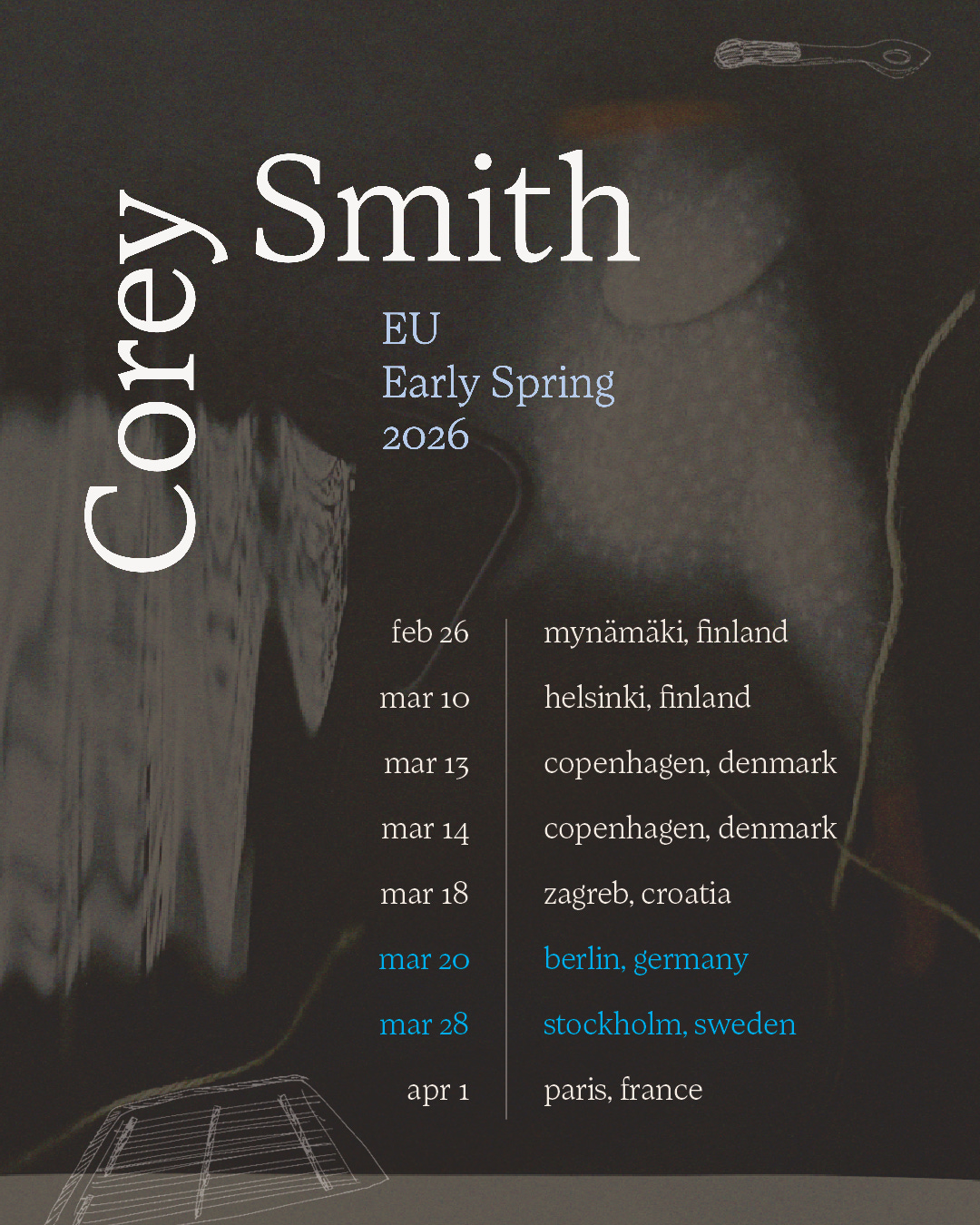
March 14 / Copenhagen, Denmark: Live Art Zine
March 18 / Zagreb, Croatia: STUDIO-GALERIJA KLET
March 20 / Berlin, Germany: Studio 54
March 28 / Stockholm, Sweden: Fylkingen
April 1 / Paris, France: Chair de Poule
Q: WHAT IS A “MANUPORT?”
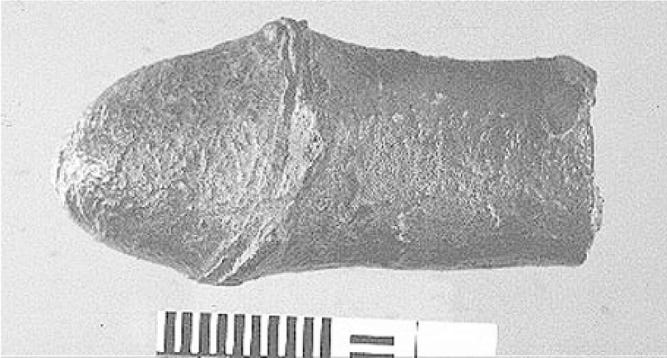
A: You pick it up because it looks like a penis, and you carry it. Later, somebody finds your grave and calls it the oldest object that a human aestheticized. This is not really in “ESSAY ON RESONANCE,” but it is important to know for sake of your heritage.
Love from Copenhagen,
c
Speaking of recording, I spent the past few days in Malmö, Sweden, documenting the piece at Lund University’s Inter Arts Center. It’s…so so funny to watch the tape back because you don’t get ANY of the backing track, just me yelling and flailing. It’s unadulterated good shit, embarrassing, hilarious, not stuff for the casual reader. It’s just for you, my footnote pal :)